The journey of various high risk Disease Modifying Therapies (DMTs) I have taken over the last ~ 11.5 years has been both a blessing and a curse. Since being diagnosed with MS in August of 2014, I have had the pleasure of trying out 4 different drugs, each administered differently:
Something “unique” about my MS journey is that I tend not to experience symptoms frequently. Both a blessing and a curse, my data lives predominantly in my scans. Each time I switched medications, it was due to progression being present in my MRIs, despite continuing to live my life to a degree that didn’t match what the results were showing; for example, when I received the phone call that I would need to be put on a high dose course of Solu Medrol steroids for 5 days to slow things down, I had run a St. Patrick’s Day 5k that morning and felt amazing.
When it comes to my symptoms, 2024 was a year for the books as I experienced deep depression, Optic Neuritis, Diplopia, Foot Drop, violent mood swings, and chronic fatigue. I had decided to make most of life’s stressful decisions all at the same time, which in turn, ultimately broke my psyche (or at least that’s how it felt at the time). How I look at this culmination of unfortunate events now, is that it cracked my mind wide open to something bigger than me.
To provide an overall synopsis of my thoughts and feelings about each of these DMTs, read on about that below:
Copaxone is where my journey began and it was a gentle beginning to a very tumultuous time. It served its purpose for the 2 years I was taking it, but ultimately was not my favorite.
- Pros:
- Gentle, low risk option
- Safe for pregnancy
- Minimal side effects
- Cons:
- Injectable medication taken 3x per week
- Broke down my fatty tissue and gave me cellulite where I didn’t previously have it
- Required a lot of supplies (auto injector, needles, sharps container, alcohol pads)
- Challenging to take on time when caught in public places
I was taken off of Copaxone after 2 years when my MRI scans showed quick progression and further de-myelination. C’est la vie!
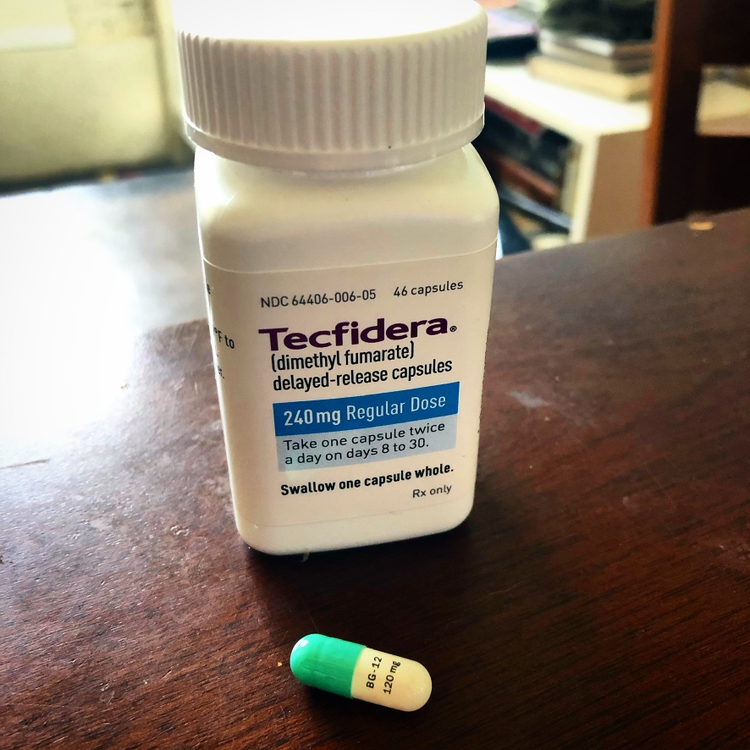
Tecfidera was the medication I was on the longest and despite the high number of side effects, I liked it quite a bit. I DO NOT RECOMMEND ever taking the Generic version of this medication and still can’t believe that exists.
- Pros:
- Oral medication taken twice per day
- Easy to travel with
- Cons:
- Tons of side effects such as painful GI symptoms (I learned never to take it and then lie down), flushing, itching, tingling
- Difficult to remember to take on time when first starting out
An additional note I’d like to make on Tecfidera here is that this was NOT identified in the clinical trials and comes only from my personal experience: while taking Tecfidera, I experienced Renal Failure in 2019. After receiving 2 full bags of fluid via IV in the Emergency Room, they never gave me a cause; at this time, I was a practicing Sports Nutritionist, so eating very well and drinking water like it was going out of style. My personal opinion is that my kidneys had a hard time processing the amount of protein I was intentionally consuming, while also having mild effects from the medication, but that is not proven, just always a caveat I like to highlight!

I was taken off of Tecfidera after the Renal Failure, but my doctor did choose to re-start me on this medication for an additional 6 months due to the lack of clinical trial evidence and my miraculous recovery. After another MRI showed quick progression, I was taken off this med. for the remainder of my MS journey (this was the case of the St. Patty’s 5k and just scream laughing in disbelief in my backyard). Onward and upward!
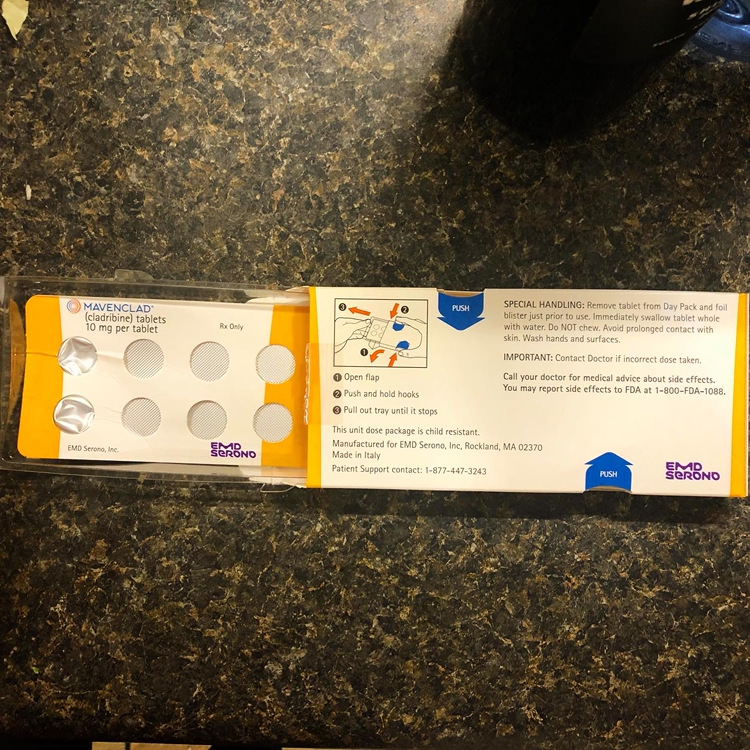
Mavenclad was recommended by one of the loveliest NPs I have had the pleasure to be patient to, and I still miss her. There is a significant amount of data on this drug in European countries but truly not that much over here in Northern America. I recognize that my opinion on this drug is more on the negative side than a lot of other folks, so take it with a grain of salt.
- Pros:
- Oral medication taken for 5 days one week, 5 days the next, and then not again for an entire year (repeated once more in year 2)
- Minimal to no side effects, aside from low White Blood Cell count
- Cons:
- Timing is very specific
- Timing for other medications or vitamins must be outside of a 3-5 hour window from when you’re taking Mavenclad
- There is no option to continue taking this medication if an additional dose is needed (hypothetically, there is this option, but allow me to explain further below)
Mavenclad was the least invasive DMT to date, and I attribute my negative feelings about it to the care I received from the practitioner I ended up seeing when my NP was reassigned to the hospital full-time. It was recommended I do a 3rd course of Mavenclad which has minimal to no evidence of being a valid recommendation; after being told “I have never seen someone fail on this drug so quickly” based on my progressing MRI scans, this didn’t necessarily start out strong. What I learned was that when a drug is only FDA approved for the 2 year cycle, Nursing staff Legally cannot speak to the patient should they have questions; after being off the drug when completing the 2 year cycle and having 1 whole year in between trying to restart, I had questions that neither the Nursing staff nor my inexperienced practitioner were able to answer. The good news was that insurance was still able to cover the cost, but it left me in a very unsure state where the additional dose didn’t even help. So, I always encourage folks to try it if they’re open to it and may you find success! Que Sera, Sera!
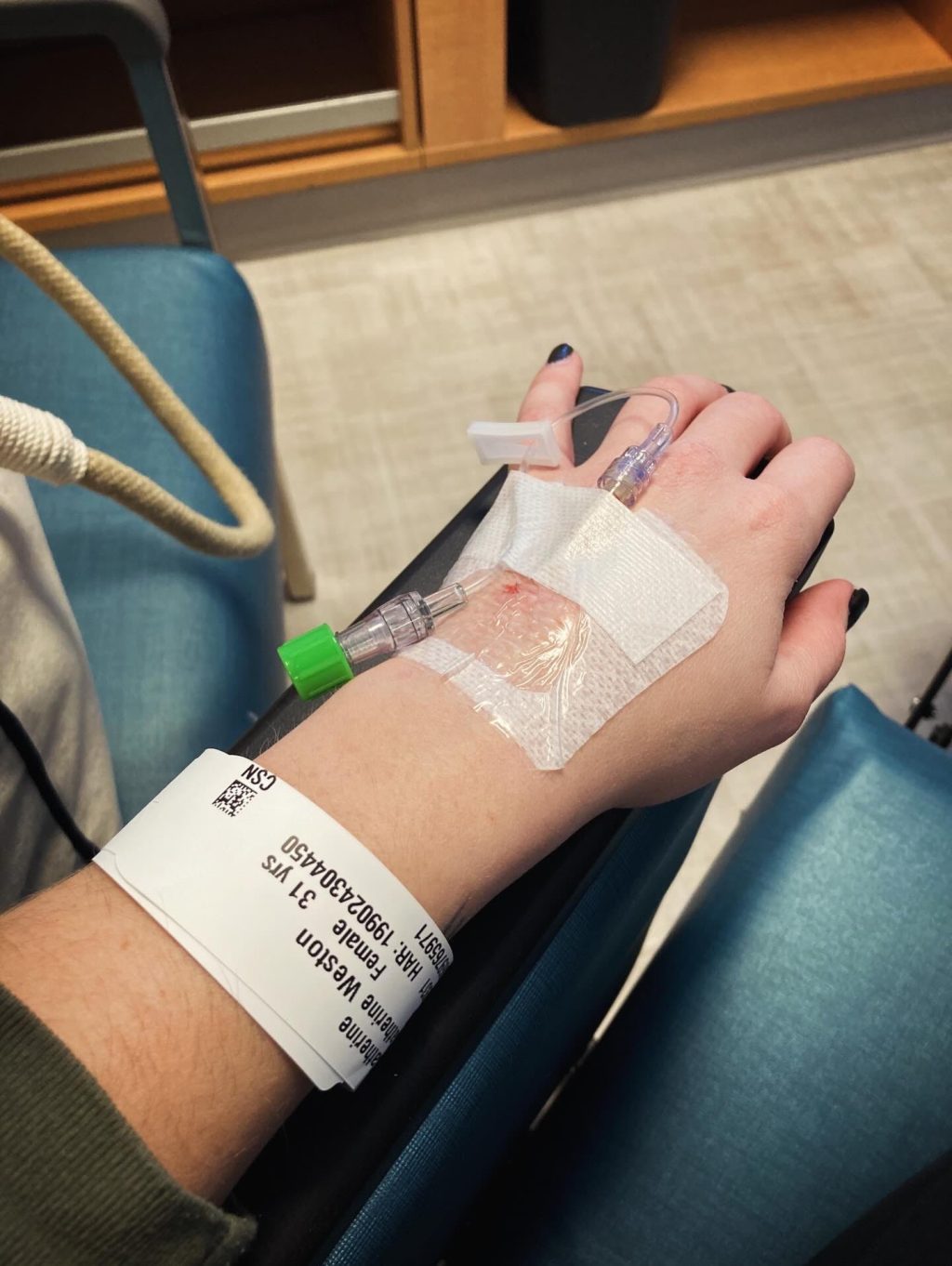
Ocrevus is our last stop on this journey as it is the medication I am currently taking, and have been for the last year. My opinion is incredibly positive, despite wanting to avoid infusions for the last 11.5 years.
- Pros:
- Administered every 6 months
- Minimal side effects
- I’ve felt like super woman
- Cons:
- Standard challenges presented with infusions
- Side effect of becoming more prone to infection; I’ve experienced this one quite a bit but in unexpected ways (ie, bladder)
- Immunocompromization
So far, I’m really enjoying Ocrevus! In between infusions, it’s common to experience “Crap Gap” where patients often experience symptom exacerbation between infusing dosing; over a year into this, I have not personally experienced this once.
While I attribute my current health’s success quite a bit to this DMT, I have also made major shifts in my life that have aligned me on a path that feels right, and that is what I believe is making the biggest difference.
At the end of the day, everything is energy. I am convinced and wholly dedicated to exploring this concept far into its depths to better understand my own Multiple Sclerosis, why it exists, and what I can personally do about it. I have no intention to remain on high-risk medication for the remainder of my life, but I DO intend to find answers and optimistically be able to share what I find with all of you. Heck, it almost feels like a life purpose in hiding. They say there is no cure, but I don’t believe that anymore because to my core, I believe that anything is possible.
Whether you find this admirable or delusional, I have just one standard reply I have carried with me all these years –
Watch me.





 Chronically Joyful
Leave a comment